Why are goods selected for a U.S. customs exam?
Under U.S. law (19 U.S.C. 1467), CBP has the authority to examine any goods imported into the U.S., whether commercial cargo or personal belongings. Selection may be random or related to declaration information. CBP generally does not explain the specific reason, and an exam does not necessarily mean there is a problem with the goods.
- Inconsistent documents: package counts, goods descriptions or consignees differ between the invoice, packing list and transport documents.
- Vague goods descriptions: terms such as “parts,” “gifts” or “samples” alone do not explain the material or intended use.
- The declared value clearly does not match the goods, or the HTS classification is in question.
- Goods are regulated by other agencies, such as the FDA or FCC, and relevant certificates or documents are incomplete.
- These are common situations that may attract attention, not a complete list of reasons for an exam. The CBP notice applies.
How does a U.S. customs exam generally proceed?
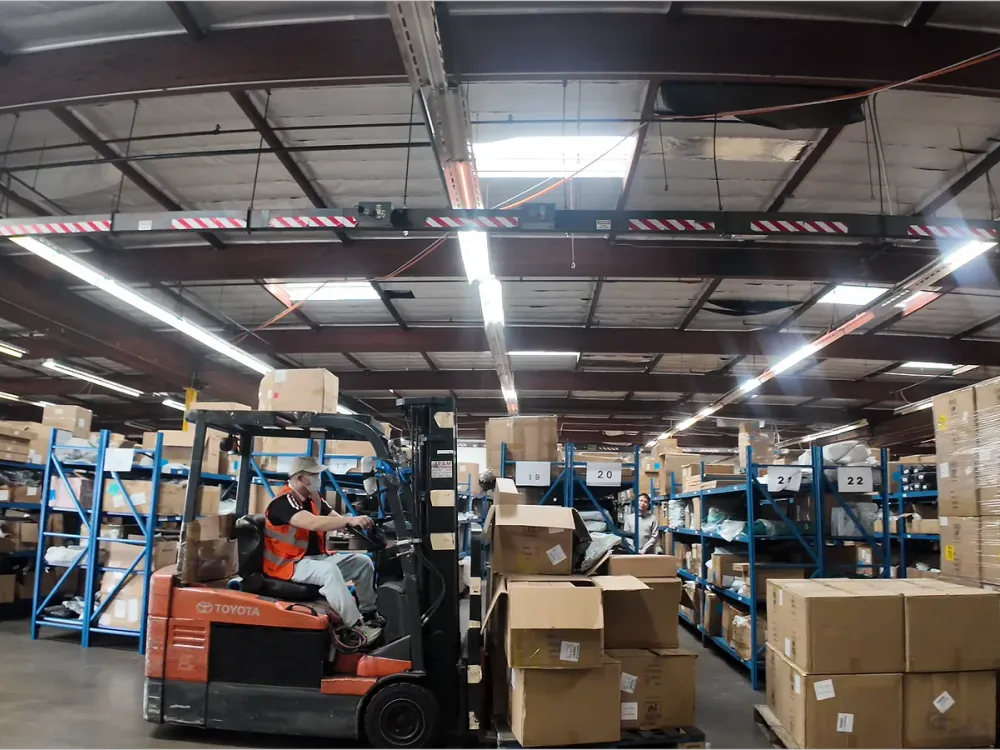
CBP determines the form of examination. When a physical exam is needed, goods are generally moved to a Centralized Examination Station (CES). This is a privately operated facility where CBP officers examine goods. It unloads goods from containers for CBP examination and reloads them afterward.
| Stage | What happens | Cooperation needed |
|---|---|---|
| Selected for examination | CBP places the shipment on examination hold; the goods are not released | The customs broker receives the notice and informs the cargo owner or freight forwarder |
| Moved to the examination facility | Goods requiring physical examination are generally moved to a CES | Arrange collection and drayage to the examination station |
| Container unloading and opening cartons | The CES unloads the goods and opens the relevant cartons as CBP requires | Provide the packing list to help locate the cartons selected for examination |
| CBP examination | The actual goods are checked against the declaration documents | Supply invoices, product descriptions, certificates and other documents as requested |
| Release or further action | Goods are released after passing the exam; problems are handled as CBP requires | Cooperate with requests for additional documents or declaration corrections |
| Repacking and collection | The CES reloads the container or reseals the cartons; goods are collected for onward delivery | Arrange onward collection and warehouse delivery |
Who pays the examination costs?
CBP does not charge examination fees in its normal operations. However, U.S. regulations require the importer to pay the costs of preparing goods for examination and repacking them afterward (19 C.F.R. 151.6). When goods are moved to a CES, the CES charges for services such as unloading and reloading. Transport to and from the examination station and storage charges may also apply. Charges vary by location.
- A CES charges according to the fee schedule it submits to CBP. Relevant rules are in 19 C.F.R. Part 118.
- Goods cannot be collected during the exam, which may result in additional terminal or warehouse storage charges.
- The importer bears these costs. When requesting a quotation, ask how exam-related charges are settled and whether they are included. The quotation from the team applies.
How long does an exam take, and why is timing uncertain?
There is no standard examination timeframe. It depends on factors such as the examination method, queues at the examination station, cargo volume and document completeness. A fixed number of days cannot be given in advance. A practical approach is to allow a buffer in replenishment plans, stay in touch with the team after selection and adjust warehouse delivery or dispatch arrangements to the latest progress.
- Complete documents and prompt responses to CBP questions can reduce time spent waiting for additional information.
- When an FBA shipment is examined, also check whether destination warehouse appointments and receiving windows need adjustment.
- Busy ports and examination stations during peak seasons may mean longer waits. Actual progress applies.
What should you prepare and how should you cooperate after selection?
After receiving an examination notice, first confirm the shipment, examination method and additional documents needed, then provide them promptly as requested. CBP may request product descriptions, photos, material composition or certificates. Timely, accurate responses help move the release process forward. CBP determines the examination outcome and further action.
- Prepare the commercial invoice, packing list and transport documents for this shipment, and check that they match the declaration. For document requirements, see the guide “What documents are needed for U.S. customs clearance” on this website.
- Prepare product descriptions covering materials, intended use, models and photos. Provide product specification sheets where necessary.
- For goods regulated by other agencies, prepare the relevant certificates or documents.
- Confirm with the team how exam-related costs will be settled and how warehouse delivery will be arranged after release.
Prepare these details for your enquiry
- Commercial invoice, packing list and transport documents with consistent package counts, goods descriptions and consignee details
- Material, intended use, model and HTS code for each goods description
- Declared value based on the actual transaction price
- Whether FDA, FCC or other certificates or documents are needed
- Importer name, address and identification number
- Destination warehouse or receiving address, appointments and receiving windows
- Who pays exam-related costs and how they are settled
This is a planning guide. Acceptance, scope, timing and charges are confirmed for the actual shipment.
Reference material
- CBP: Tips for New Importers and Exporters
CBP authority to examine imported goods, importer responsibility for examination costs and an explanation of CES facilities. Current CBP requirements apply.
- eCFR: 19 CFR 151.6
The importer bears the costs of preparing goods for examination and repacking them.
- eCFR: 19 CFR Part 118 — Centralized Examination Stations
Rules on the establishment and charges of Centralized Examination Stations (CES).
- CBP: Importing into the United States
CBP import guidance for commercial importers.